Beginner Basketball Skills Guide for New Players and Coaches
New to basketball? This guide covers the fundamental skills every beginner needs: ball handling, shooting form, passing, defense and footwork. We also explain the drills that build these skills, the gear you need, and how to get your youth team matching uniforms.
💲 Current basketball prices (2026) — see the live price guide →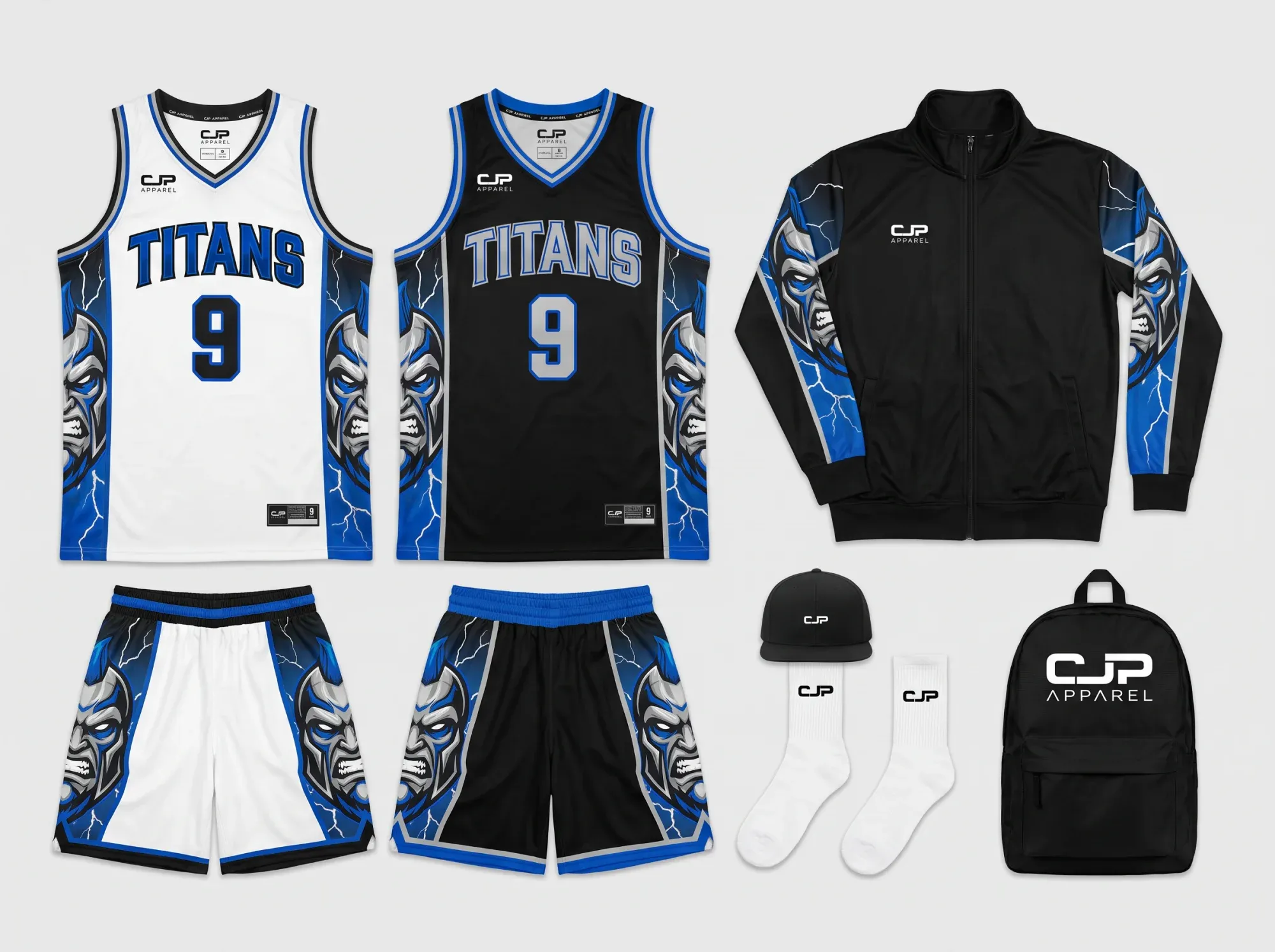
Quick answer: Beginner basketball players need to master five core skills—ball handling, shooting, passing, defense and footwork—through consistent, low-pressure drills. Coaches should start with foundational techniques, progress to game scenarios, and equip players with proper shoes and reversible jerseys for scrimmages. Youth teams benefit from matching uniforms, which build confidence and team identity while keeping costs manageable.
The Five Core Skills Every Basketball Beginner Must Learn
Basketball looks simple on the court but demands precision in five interconnected skills. Each builds on the last. A player weak in footwork will struggle with shooting; poor ball handling limits passing options; weak defense demoralizes a team. Start here, and progress only when a skill feels automatic.
1. Ball Handling (Dribbling)
Dribbling is control. A beginner's first mistake is looking down at the ball. Teach players to dribble without watching—this keeps their head up and eyes on teammates and defenders.
- Stationary dribble: Stand with feet shoulder-width apart. Bounce the ball at waist height with fingers and wrist, not the palm. The ball should return to the same spot.
- High dribble: Used in open court; bounce at chest height for speed.
- Low dribble: Used when a defender is close; control the ball below the knees to protect it.
- Crossover dribble: Bounce the ball from one hand to the other in front of the body to change direction quickly.
Beginner drill: Dribble in a straight line for 30 seconds without looking down. Add a cone course—dribble around cones in a figure-8 pattern. Progress to dribbling while jogging, then at half-speed.
2. Shooting Form
Shooting is about consistency, not strength. Poor form is the biggest reason beginners miss—and it's hard to correct later. Teach the mechanics early.
- Feet: Shoulder-width apart, shooting-side foot slightly forward.
- Knees: Bend them; use leg power, not arm strength.
- Elbow: Keep it under the ball, not splayed to the side.
- Wrist & Release: Flick the wrist downward on release; the ball should have backspin. Follow through with your hand as if reaching into a cookie jar on a high shelf.
- Arc: Aim for 45–50 degrees; too flat or too high misses consistency.
Beginner drill: Footwork shooting—stand 6 feet from the basket, take one step and shoot (no dribble). Make 10 shots, then move back 2 feet. This isolates form from other skills. Progress to shooting off a pass or after a dribble.
3. Passing and Receiving
Passing separates recreational players from team players. Beginners often pass too hard or too soft, or aim for the chest instead of the hands.
- Chest pass: Most common. Pass from chest height to the receiver's chest with thumbs down on release.
- Bounce pass: Pass bounces once before reaching the receiver; useful when a defender is in the passing lane.
- Overhead pass: Useful for outlet passes after a rebound or when taller defenders are nearby.
- Receiving: Give a target with your hands; "catch" the ball with your fingers, not your palms, then bring it to chest height.
Beginner drill: Partner passing: two players stand 10 feet apart and throw 20 chest passes back and forth, focusing on accurate placement to the hands. Add a third player in the middle as a defender (not stealing, just being present) so passers practice around pressure.
4. Defensive Footwork
Defense is effort. Beginners often reach with their hands instead of moving their feet. Good defense starts with stance.
- Defensive stance: Feet wider than shoulder-width, knees bent, back straight, hands up at chest height (not waving).
- Slide: Move laterally without crossing feet. This keeps balance and lets you react quickly.
- Close out: Run at an offensive player who catches the ball, then stop and slide (don't foul).
- Deny the pass: Position yourself between the ball and the player you're guarding, hand up.
Beginner drill: Slide drill: set up cones 15 feet apart in a line. Defender slides side to side, touching each cone, staying in stance. No offense; just footwork. Progress to 1-on-1 closeout where the offensive player holds the ball—defender closes out without fouling.
5. Footwork Off the Ball
Many young players stand still when they don't have the ball. Footwork creates space, opens passing lanes, and sets up scoring opportunities.
- V-cut: Run away from the ball, then plant your outside foot and cut hard toward the ball for a pass.
- L-cut: Run one direction, plant, and cut perpendicular to receive a pass.
- Pivot: Keep one foot planted (the pivot foot) and rotate on it to pass or shoot. Essential after catching the ball.
Beginner drill: V-cut rondo: three players, one ball, no shooting. Passer throws to a cutter who makes a V-cut, receives, and becomes the new passer. Focus on timing and footwork, not speed.
Beginner-Friendly Practice Drills
Drills should be short, fun and progress in difficulty. Here's a simple 30-minute practice structure for new players:
| Drill | Duration | Focus |
|---|---|---|
| Ball-handling circuit (stationary + moving) | 5 min | Control, comfort |
| Footwork shooting (form, no pressure) | 8 min | Shooting mechanics |
| Partner passing & receiving | 5 min | Accuracy, timing |
| Slide drill & 1-on-1 closeout | 7 min | Defensive stance & movement |
| V-cut rondo or low-intensity scrimmage | 5 min | Game-like footwork |
Keep scores and pressure out of beginner practice. Build confidence first; competition comes later.
Essential Gear for Beginner Basketball Players
You don't need much to start, but what you buy should be right.
- Basketball shoes: High-tops provide ankle support; look for cushioning in the heel and forefoot.
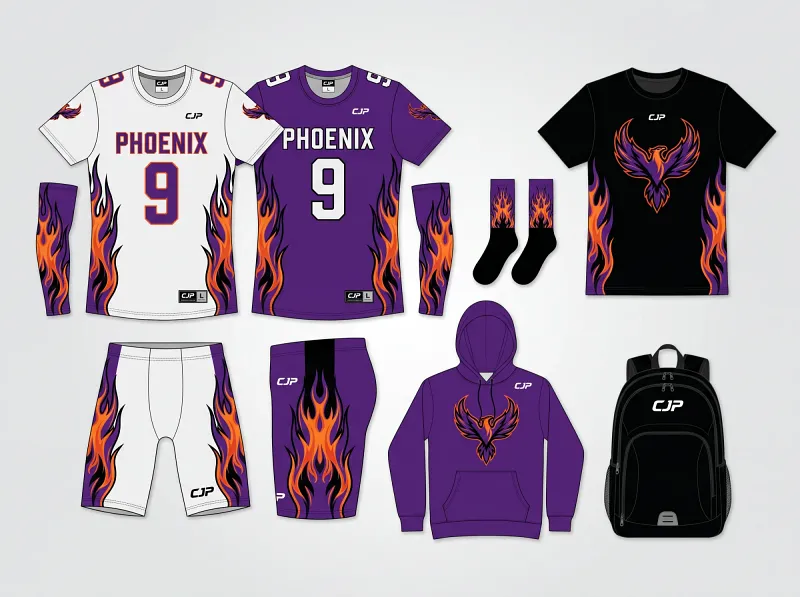
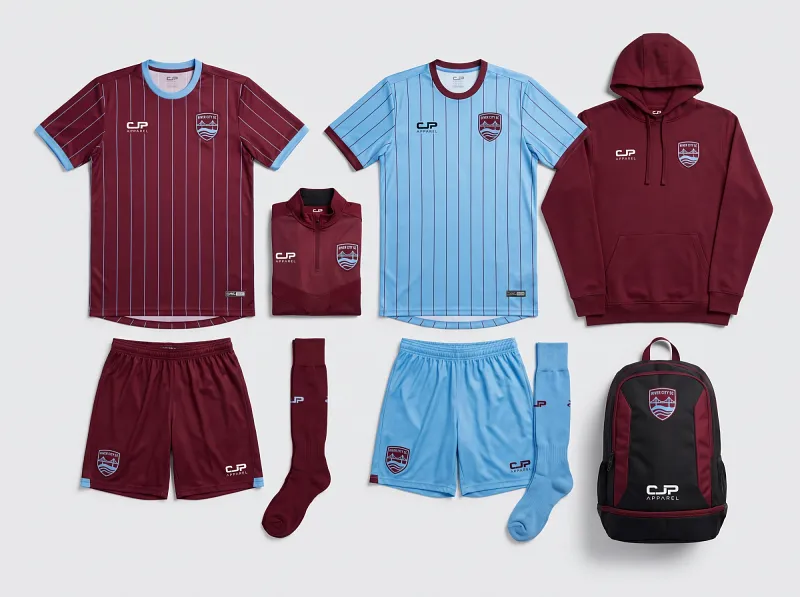
- Practice jersey & shorts: Custom basketball uniforms make a team feel unified. Game jerseys start at $20 per piece (10–24 players) and drop to $13 per piece for orders of 250+. Game shorts range from $17 to $12 per piece across the same tiers. Many teams add shooting shirts ($23–$15 per piece) or warm-up suits ($53–$36 per set) to build a complete look.
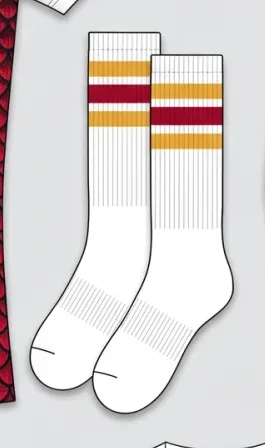
- Basketball socks: Cushioned crew socks with moisture-wicking fabric. Basketball socks are $7–$5 per pair depending on quantity.
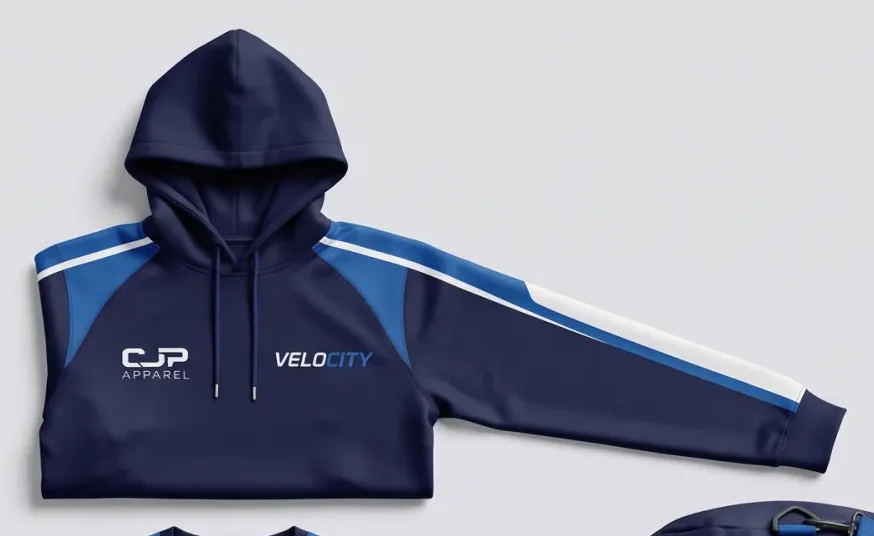
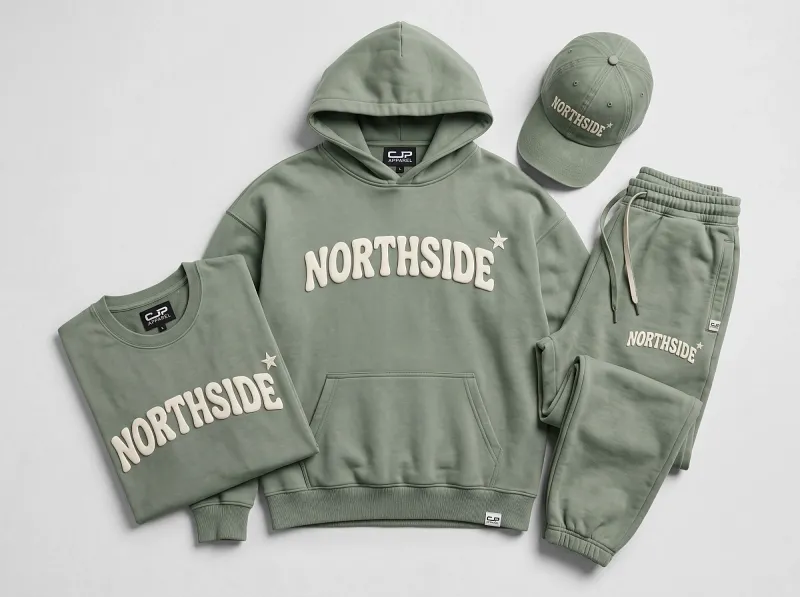
- Optional: Arm sleeves ($7–$5 per pair), headbands & wristbands ($5–$4 per piece), and team hoodies ($34–$23 per piece) for training and travel.
Many youth teams use reversible jerseys for scrimmages—one side is the team color, flip it inside-out for a different color. Reversible jerseys cost $37–$24 per piece depending on quantity and save money if the team doesn't have home and away kits yet.
Getting Your Youth Team Matching Uniforms
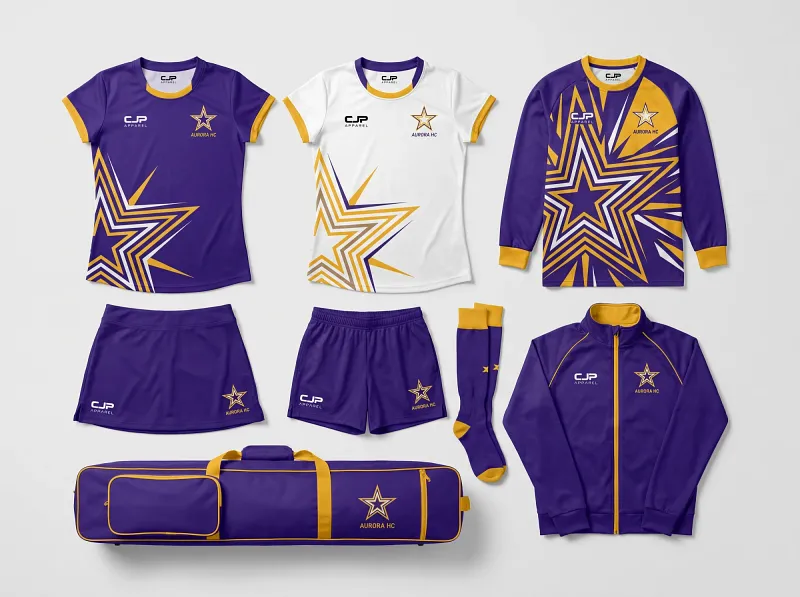
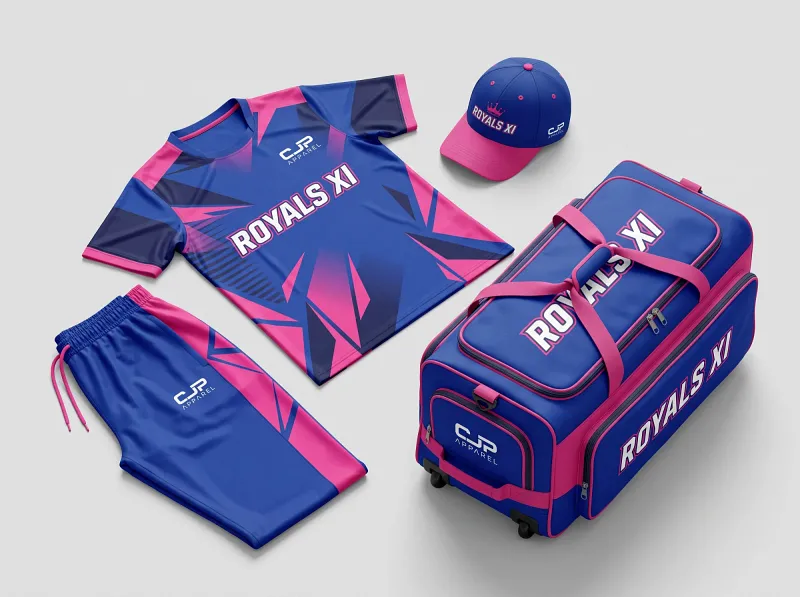
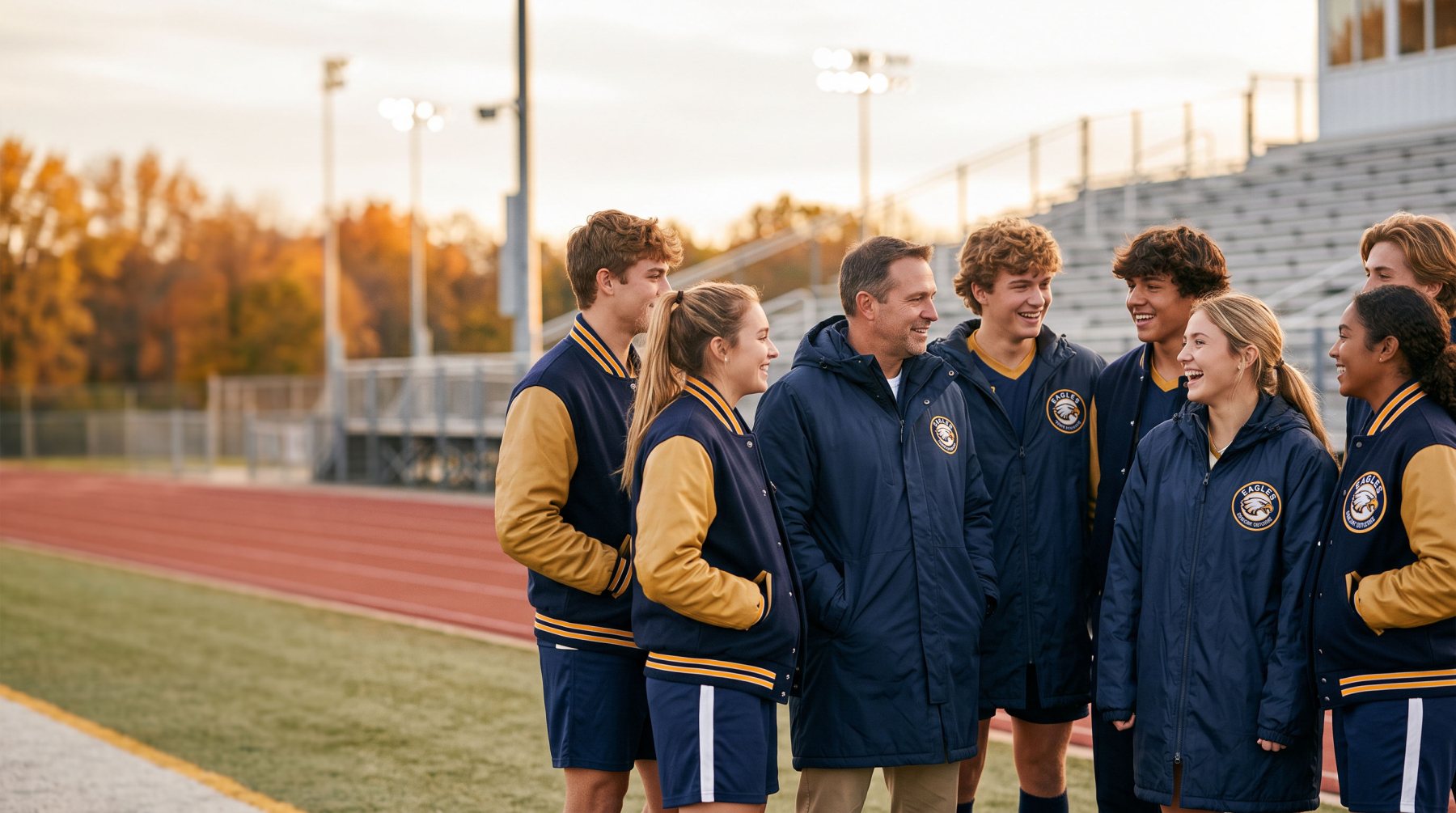
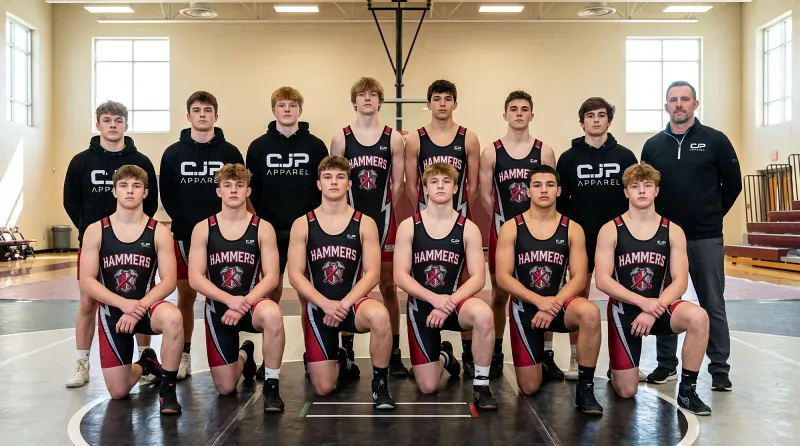
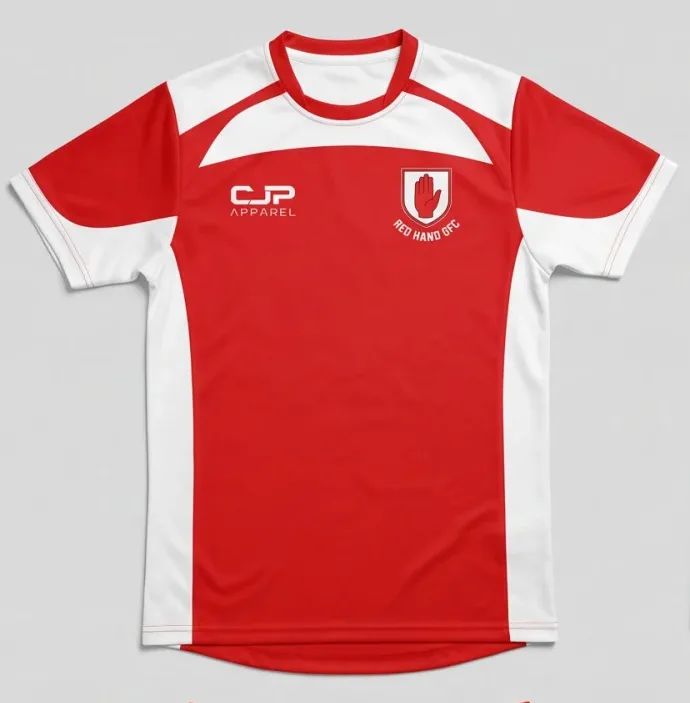
Matching uniforms transform a group of kids into a team. They build confidence, help referees and spectators follow the game, and create lasting memories.
What to Order
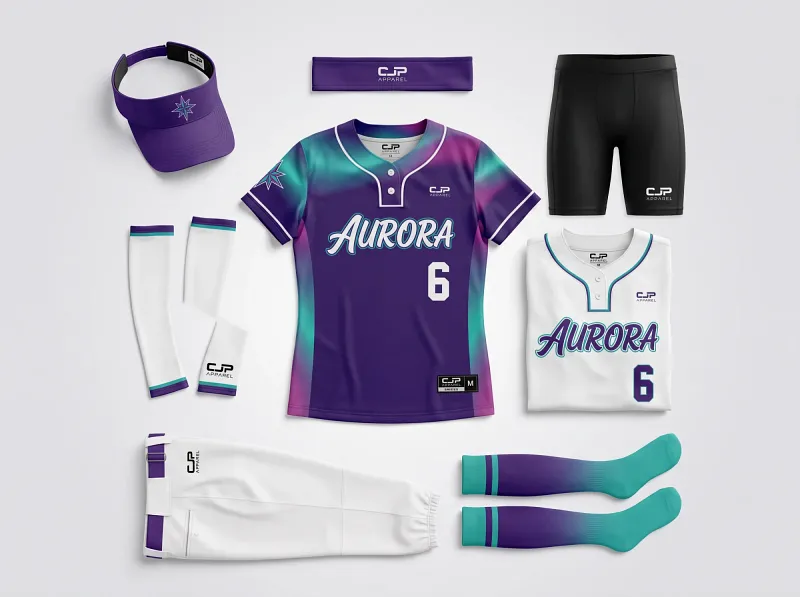
Start with the essentials: jerseys and shorts. Many teams then add shooting shirts and warm-ups for a complete look. A basic uniform set (jersey + shorts) costs $37 per player for teams of 10–24 players and drops to $25 per set for teams of 250+. Most manufacturers offer tiered pricing: smaller orders are more expensive per piece, while teams ordering 100+ pieces pay significantly less.
Design Choices
Decide early: solid colors or sublimated designs? Reversible or single-sided? Numbers and names? Custom basketball uniforms can be fully sublimated (unlimited colors printed into the fabric) or feature heat-transfer numbers and names. Sublimation is more durable and looks professional; it never cracks or peels even after hundreds of washes. If your budget is tight, start with single-sided jerseys and plain shorts, then add names and numbers later.
Timeline & Delivery
CJP APPAREL delivers custom basketball uniforms to your door in 14–20 days for orders under 50 pieces, 20–25 days for 50–100 pieces, and 4–6 weeks for 100+ pieces, counted from approval and payment. Order 6–8 weeks before your first game to avoid pressure. You'll need to collect player sizes, names and numbers before requesting a quote. CJP provides a free digital mockup so you can see the design before production starts.
Budget Example & Team Store Option
A team of 12 beginners ordering a basic uniform set (jersey + shorts, sublimated with names and numbers) would spend approximately $440–$504 using CJP's tier pricing ($37–$42 per set for 10–24 pieces). With the current 7% Black Friday & Cyber Monday discount (valid until 30 Nov 2026), you can reduce that by about $31–$35.
Alternatively, many teams use CJP's free team store: the club opens an online store on CJP's website, players and parents order individually (choosing items, sizes, names and numbers), and pay by card themselves. No upfront cost to the club, free mockups, and uniforms are shipped packed per family (optional home delivery available). The store closes by itself on a date you set, then production begins. Teams can reopen the store for new rounds (new players, seasons, holidays).
Additional Gear Packages
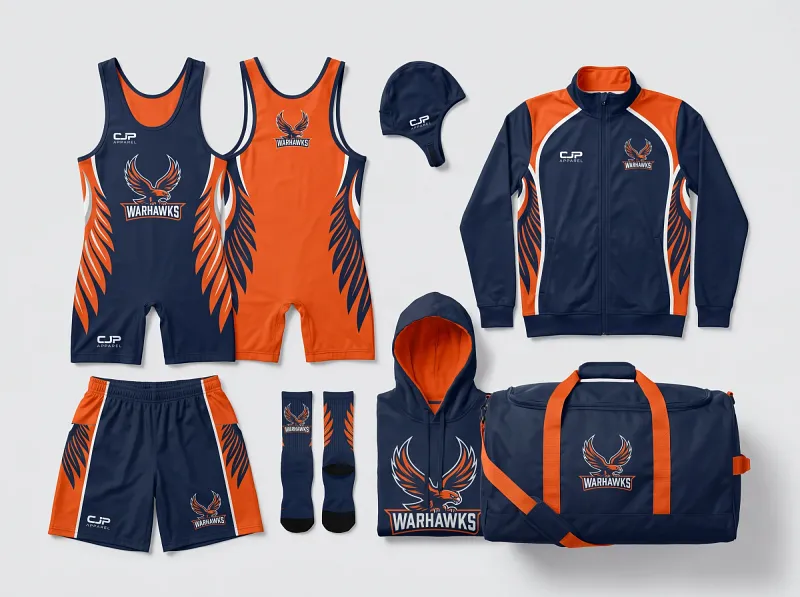
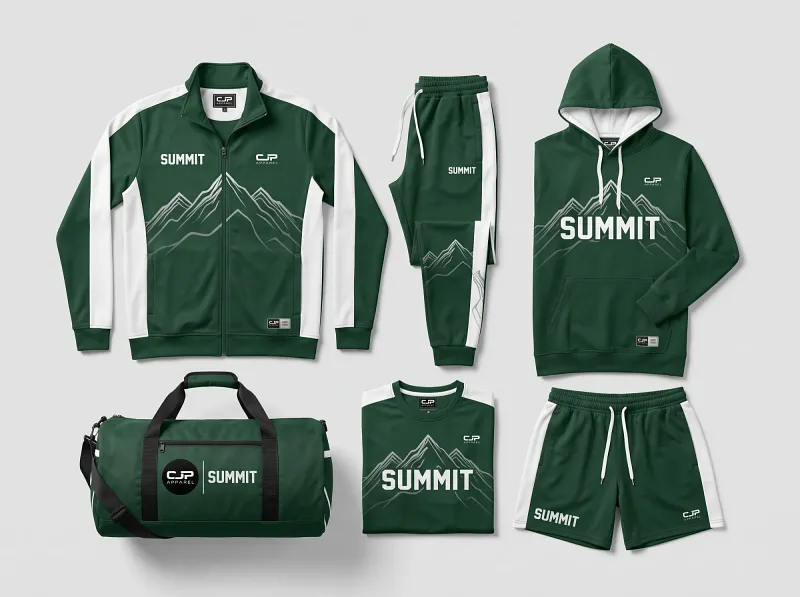
For teams wanting a complete program, CJP offers bundled packages. A home & away set (reversible jerseys or two uniform sets) costs $62–$42 per set depending on quantity. The full program package (uniform set + shooting shirt + warm-up suit + team backpack) runs $168–$114 per player for the same tiers—a all-in-one option for teams building from scratch.
Coaching Tips for Beginner Players
- Demonstrate, don't just explain. Show the footwork, the shooting form, the defensive stance. Players learn faster by watching than listening.
- Use positive reinforcement. Praise effort, not just results. "Great footwork on that V-cut" builds skills; "Nice shot" doesn't teach anything.
- Practice individual skills before team play. Beginners need to feel comfortable with the ball before they play 5-on-5. Start with drills, progress to small-sided games (3-on-3, 4-on-4), then full court.
- Keep practice varied. Boredom kills motivation. Mix drills, games, and low-pressure scrimmages. If a drill isn't working, switch to something else.
- Communicate expectations. Tell players what you're teaching this week, what success looks like, and how it connects to the team. Beginners want to know they're improving.
Common Mistakes Beginners Make—and How to Correct Them
- Looking down while dribbling: Practice dribbling without looking. It feels wrong at first, but it's essential. Use wall drills where the player stands with their back to the wall and dribbles while looking straight ahead.
- Shooting with arm strength instead of legs: Beginners tire quickly because they shoot with their arms. Emphasize the bend in the knees and the push from the legs. Have players shoot from their knees (on both knees, sitting) so they can't use their legs—they'll see the difference immediately when they stand up.
- Poor defensive positioning: Beginners reach and foul constantly. Teach them to move their feet first, hands second. Play "no-reach" defense drills where players can't use their hands—only footwork.
- Soft passing: Beginners often under-throw passes. Tell them to pass firmly enough that the receiver doesn't have to reach; the ball should arrive chest-high at speed. Weak passes get stolen or drop.
- Standing still offensively: If a player is not handling the ball, they should be moving—cutting, relocating, creating space. Teach players that movement without the ball is as important as movement with it.
When to Progress Beyond Beginner Skills
Most players are ready to move beyond basics when they can:
- Dribble at speed without looking down and without traveling (double dribble).
- Make 5 out of 10 shots from 15 feet with proper form.
- Throw an accurate chest pass to a moving target.
- Play 1-on-1 defense without reaching or fouling.
- Execute a V-cut or L-cut on command.
Once these basics are solid, introduce more complex plays, faster pace, and position-specific skills. But don't rush. A player with excellent fundamentals will always outplay one with flashy moves and poor technique.
Summary
Beginner basketball success depends on five core skills—ball handling, shooting, passing, defense and footwork—learned through consistent, low-pressure drills. Equip your players with proper shoes and affordable custom basketball uniforms to build team identity and confidence. Coaches should focus on fundamentals, positive feedback and progression from individual skills to game scenarios. With patience and proper instruction, every beginner can develop a solid foundation for years of basketball enjoyment.
Ready to order custom uniforms for your team? Contact CJP APPAREL now for a free quote and digital mockup. We usually reply within an hour—always within 24 hours. Call +1 (727) 610-7322 or visit /contact. Delivery is included worldwide, with tiered pricing starting from 10 pieces per style. Take advantage of our 7% Black Friday & Cyber Monday discount (valid until 30 Nov 2026) when you quote before the deadline.
Frequently asked questions
01How long does it take for a beginner to learn basic basketball skills?+
Most beginners need 4–8 weeks of regular practice (2–3 times per week) to develop solid fundamentals in ball handling, shooting form, and footwork. Defense and game awareness take longer. Progress depends on practice quality and frequency, not just time spent.
02What's the cheapest way to kit out a team with matching uniforms?+
Start with a basic uniform set (jersey + shorts without names/numbers) at $37 per player for 10–24 players, dropping to $25 per set for 250+ pieces. Add names and numbers later when budget allows. Reversible jerseys ($37–$24 per piece) work well for scrimmages and save money compared to home and away kits. Use CJP's free team store to spread costs across players and parents—no upfront expense for the club.
03How long does it take to receive custom basketball uniforms?+
CJP delivers to your door in 14–20 days for orders under 50 pieces, 20–25 days for 50–100 pieces, and 4–6 weeks for 100+ pieces, counted from approval and payment. Order 6–8 weeks before your first game to allow time for approvals and avoid rush fees.
04Should beginners use reversible jerseys or buy home and away kits?+
Reversible jerseys are budget-friendly for new teams: one jersey has two sides, flipped inside-out for scrimmages or practice. They cost $37–$24 per piece depending on quantity. Home and away kits are more expensive but offer a professional look. Start with reversible jerseys and upgrade when the budget allows.
05What's the best way to teach shooting form to beginners?+
Isolate the form first: have players shoot from close range (6–10 feet) without dribbling, focusing on knee bend, elbow position, and follow-through. Once form is consistent, add movement (dribble into the shot) and distance. Footwork shooting drills build correct mechanics faster than game-speed attempts.
Planning basketball uniforms?
Send your idea, quantity and deadline. We reply with pricing, a free digital mockup and a production plan. MOQ from 10 pieces, delivery included.